Kennington SE11 rubbish clearance options for narrow streets
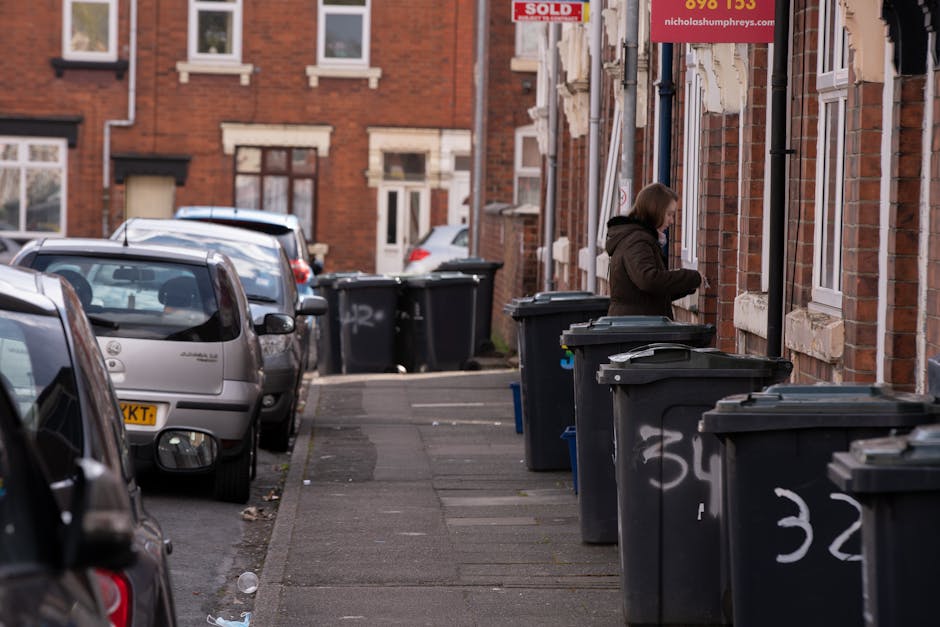
Getting rid of bulky waste in Kennington sounds simple enough until you meet the reality of SE11: parked cars, tight terraces, one-way streets, awkward corners, and the sort of access that makes a straightforward collection feel oddly complicated. If you have ever stood on the pavement with a broken wardrobe leg in one hand and thought, "Right, how is this actually getting out?" you are in the right place.
This guide walks through the best Kennington SE11 rubbish clearance options for narrow streets, with a practical focus on access, timing, safety, and choosing the right method for the job. We will look at what works well on cramped roads, what tends to go wrong, and how to avoid paying for a service that looks cheap on paper but turns into a headache on the day. Simple enough in theory. A bit more fiddly in real life, as you probably know.
Whether you are clearing a flat, shifting renovation debris, or getting rid of old furniture after a move, the key is choosing an option that fits the street as well as the rubbish.
Why Kennington SE11 rubbish clearance options for narrow streets Matters
Kennington's mix of period terraces, mansion blocks, mews-style streets, and busy through-roads creates a very particular rubbish clearance problem. Access is often the deciding factor. You might have the right item ready to go, but if a vehicle cannot park close enough, or cannot safely reverse in, the whole job becomes slower and more expensive.
That matters for three reasons. First, you want the waste gone without damaging your property, the pavement, or your back. Second, you do not want to block neighbours, deliveries, or emergency access. Third, you want a method that works with the street layout rather than fighting it. In narrow roads, the wrong clearance choice can mean repeated lifting, long carry distances, or a van circling the block while everyone gets increasingly fed up.
To be fair, this is exactly why local knowledge counts. A team that regularly works in tight London streets will usually plan for awkward kerbs, permit restrictions, and those "just about fits" parking spots. That experience saves time. It also reduces stress, which is worth a lot on moving day when the kettle is somewhere in a box and nobody can find the tape.
There is also a broader practical angle. Narrow streets often mean you need to think about neighbours, traffic flow, and the best time of day for collection. A good clearance plan is not just about removing waste; it is about doing it cleanly, quickly, and with the least disruption possible.
How Kennington SE11 rubbish clearance options for narrow streets Works
In simple terms, rubbish clearance in a narrow street usually falls into one of a few patterns: a team parks as close as possible and carries waste by hand, uses a small or medium vehicle that can access tighter spaces more easily, or stages the load from a nearby point if the street is too restricted for direct loading.
The process usually starts with understanding what kind of waste you have. General household rubbish is different from old furniture, builders' rubble, or garden waste. Mixed loads can be collected, but they need to be sorted and loaded sensibly. A mattress, for example, takes up a surprising amount of room once you start working around stairwells and low ceilings. Anyone who has tried to turn one in a narrow hall knows the feeling.
Next comes access planning. This is where Kennington streets make things interesting. Clearance teams may need to assess whether they can park outside, whether a short carry is realistic, whether there are loading restrictions, or whether a lighter vehicle is the better call. In some cases, a skip alternative for tight streets is the sensible answer because it avoids blocking the road or placing a container where it simply will not fit.
Collection day then becomes a choreography of small decisions: where to park, which items to remove first, how to protect floors or stairwells, and whether anything needs dismantling. Sounds minor, but that's often where the time is saved.
A decent service will also think about disposal routes. Items suitable for reuse, recycling, or specialist handling should be separated where possible. This matters not just for sustainability but for cost control too, especially when you are paying for labour and vehicle time in an area where every extra minute counts.
Key Benefits and Practical Advantages
The biggest advantage of choosing the right clearance option for a narrow SE11 street is not speed alone. It is fit. The service matches the location rather than forcing the location to fit the service. That sounds obvious, but it is where a lot of people come unstuck.
- Less disruption: A well-planned collection reduces blocking, shouting across the street, and repeated trips in and out.
- Lower risk of damage: Careful carrying protects stair rails, walls, gates, and parked vehicles.
- Better access planning: Small vehicles, timed arrival windows, and clear loading points all help in tight roads.
- More efficient loading: A structured approach saves labour time and keeps costs under control.
- Cleaner finish: Good teams do not just take the obvious items; they leave the area tidy afterwards.
There is a quieter benefit too: peace of mind. If you know the clearance method works for your street, you stop second-guessing every part of the day. That matters more than people realise. One less thing to worry about is sometimes the difference between a stressful week and a manageable one.
Another practical advantage is flexibility. In narrow streets, plans change. A car might be parked where it was not supposed to be. A neighbour may be unloading shopping. Rain can turn a small carry route into a slippery nuisance. The best rubbish clearance options are the ones that can adapt without turning the whole thing into a drama.
Who This Is For and When It Makes Sense
This kind of clearance planning is useful for anyone in Kennington SE11 dealing with limited access and bulky waste. That includes flat owners, renters, landlords, letting agents, shopkeepers, office managers, and homeowners with one of those awkward side-return spaces that looks bigger from the front than it is in practice.
It makes particular sense when you are dealing with:
- old furniture that will not fit through the lift or communal corridor
- house or flat clearances after a move, probate, or refurbishment
- builders' waste from a small renovation job
- garage, loft, or basement clear-outs with limited parking nearby
- mixed waste where you need items taken quickly and responsibly
If your street is wide, clear, and easy to park on, you have more options. If it is not, then choosing the right method early saves a lot of bother later. That is especially true where items need to come down stairs or through shared entrances. One badly planned collection can become a domino effect of delays, complaints, and a lot of heavy lifting. Nobody needs that on a Tuesday morning.
Sometimes the trigger is not a big project, just an accumulation. A broken chair, a dismantled wardrobe, a bag of mixed junk, a mattress leaning against the wall, and suddenly the room is unusable. If that sounds familiar, a tailored clearance option is usually better than trying to DIY the lot in one exhausting weekend.
Step-by-Step Guidance
Here is a practical way to plan rubbish clearance in a narrow Kennington street without overcomplicating it.
- Identify the waste types. Separate furniture, general rubbish, cardboard, garden waste, and building debris if you can. Mixed loads may still be fine, but knowing what you have helps with planning.
- Measure the access points. Check gates, hallways, stair turns, lift dimensions, and the distance from property to kerb. Two extra metres can change the whole approach.
- Think about parking reality. Ask yourself: can a vehicle stop nearby without causing problems? Is the road narrow enough that a smaller vehicle would be easier?
- Choose the loading method. Direct roadside loading is ideal when possible. If not, plan for hand-carrying or a staged pickup from a safer position.
- Set a sensible time window. Early mornings or quieter periods often work better in busy residential streets, though local conditions vary. A short, tidy collection is usually easiest for everyone.
- Protect surfaces and shared areas. Door frames, floors, lifts, and stairwells can suffer from repeated movement. Simple coverings or careful handling make a difference.
- Confirm disposal responsibilities. Make sure the team understands what is being removed and whether any items need special handling.
- Clear the route before arrival. Move cars, bikes, plant pots, and anything that might block the path. It sounds obvious, but in the real world it often saves the day.
If you are arranging your own clearance, a short checklist of measurements and item types will help you avoid surprises. If you are using a professional service, this information lets them choose the right vehicle and crew size. That, in turn, tends to keep the price more predictable.
A good rule of thumb: if you are already wondering how the sofa will turn the corner, say so early. Better to mention the awkward bit now than discover it with the sofa halfway out and everybody pretending it will "probably be fine".
Expert Tips for Better Results
Over time, one thing becomes very clear: narrow-street clearance is won or lost in the preparation. Here are the details that make the difference.
- Disassemble before collection day. A flat-pack wardrobe or bed frame is far easier to move in pieces. Even removing doors can help more than you'd expect.
- Stage items close to the exit. Keep the route open and pile waste in a sensible order. Heavy items first, then lighter bags or loose pieces.
- Use standard-sized sacks for loose waste. Overfilled bags split at the worst possible moment, and nobody enjoys chasing out bits of plasterboard on a damp pavement.
- Keep recyclable materials separate where practical. Cardboard, clean wood, metal, and certain furniture items can often be handled more efficiently when sorted early.
- Check for restricted access times. Some streets feel easy at 9 am and impossible by lunchtime. Busy school runs, bin days, and delivery peaks all change the picture.
One small but useful tip: if you have awkward items like a broken mattress, long curtain poles, or a wobbly desk that keeps snagging on every doorway, measure the widest point as it is, not as you think it "should" be. Truth be told, that saves arguments with tape measures.
Also, do not underestimate the value of a short, calm plan. A 10-minute conversation before the crew arrives can prevent a 45-minute shuffle after they do. That is the sort of boring advice that turns out to be gold.
Common Mistakes to Avoid
Narrow streets expose planning mistakes faster than open roads. Here are the ones people run into most often.
- Assuming a large van will fit. It might, but "might" is not a plan. Check access properly.
- Forgetting about parking pressure. A space that is technically available may still be unusable if loading takes too long or the road is too tight.
- Leaving everything to the last minute. When rubbish is stacked in corridors, stairs or shared entrances, the job becomes harder and slower.
- Not separating hazardous items. Paints, chemicals, batteries, and certain electrical items may need special treatment.
- Choosing the cheapest quote without checking what is included. Some prices look low until access problems, labour time, or extra handling appear.
There is another common one: forgetting to warn neighbours if the street will be briefly blocked. In a place like Kennington, where people are often coming and going, a quick heads-up can make everyone much friendlier. A small thing, but useful.
And yes, people sometimes try to "just carry it all down in one go." It sounds efficient. It is rarely efficient. Usually it is just sweaty, awkward, and followed by a back complaint for three days. Not ideal.
Tools, Resources and Recommendations
You do not need specialist equipment for every clearance, but a few practical tools help enormously, especially in narrow access areas.
- Measuring tape: Useful for checking doorways, stair widths, and lift openings.
- Sturdy gloves: Helpful for handling splintered wood, broken furniture, and rough edges.
- Dolly or sack truck: Good for moving heavier items if the route is smooth and clear.
- Furniture straps: Handy for stabilising bulky objects on short carries.
- Protective coverings: Simple floor sheets or blankets can reduce scuffs in hallways and stairwells.
- Labels or marker pens: Good for sorting items into keep, donate, recycle, and remove piles.
If you are comparing services, look for clear information about vehicle access, loading time, insurance, and what happens to reusable or recyclable items. A provider that explains its process clearly is usually easier to work with than one that gives you three vague sentences and a shrug.
For related guidance, you may also find it useful to read about general waste removal options, furniture clearance, or how rubbish removal bags compare with skips. Those pages fit naturally with the kind of practical decision-making people face in tight-access streets.
Law, Compliance, Standards, or Best Practice
When rubbish clearance involves public roads, shared entrances, or potentially hazardous items, it pays to be careful. In the UK, waste should be handled by people who understand their duty to dispose of it properly and not just dump it somewhere inconvenient. You do not need to become a legal expert, but you do need to avoid casual mistakes that can cause trouble later.
Best practice usually includes:
- using a responsible and traceable disposal route
- separating items that need special handling
- avoiding obstructions that could affect pedestrians, neighbours, or vehicles
- taking care with sharp, heavy, or unstable items
- checking whether access or parking arrangements need to be considered before collection
If you are handling business waste, the standards become even more important. Commercial waste should be managed in a way that keeps records and avoids confusion about ownership or disposal. For that reason, businesses often prefer a scheduled service rather than trying to improvise something at short notice. If you need a deeper look at that side of things, business waste removal and trade waste compliance guidance are useful reference points.
Health and safety also matters. Heavy lifting, narrow stairs, broken glass, and poor visibility are all real risks. A sensible clearance method should reduce those risks, not add to them. If a job feels too awkward for one person, that is usually a sign that more careful planning is needed. Sometimes the safest decision is the smartest one. Simple as that.
Options, Methods, or Comparison Table
Choosing the right option depends on access, volume, and how quickly you need the waste removed. The table below compares common approaches for narrow-street clearance in Kennington SE11.
| Option | Best for | Strengths | Limitations |
|---|---|---|---|
| Hand-loaded clearance service | Mixed household waste, furniture, small to medium clearances | Flexible, good for tight streets, minimal disruption | May take longer if access is difficult or items are very heavy |
| Small-vehicle collection | Limited access roads and short carry distances | Better manoeuvrability, easier parking in cramped areas | May need more trips for larger jobs |
| Removal bags | Smaller renovation or decluttering jobs | Handy if you need staged disposal and do not want a skip | Not ideal for very heavy or awkward bulk waste |
| Skip hire | Larger jobs with suitable frontage or private space | Good capacity for bigger clearances | Often less suitable in very narrow streets due to space, access, or parking issues |
| Hybrid approach | Jobs with mixed waste types or unpredictable access | Flexible and practical when street conditions are not ideal | Needs better planning and clear communication |
For many Kennington streets, a hand-loaded or small-vehicle approach wins out simply because it respects the reality on the ground. That does not mean skip hire is never useful. It just means the street usually gets the final vote.
If you want to compare access-friendly options more closely, the article on skip alternatives for tight streets in Kennington SE11 offers a useful companion perspective.
Case Study or Real-World Example
Imagine a first-floor flat on a narrow Kennington street with no lift, a tight staircase, and two old wardrobes, a bed base, several sacks of mixed clutter, and a broken office chair that somehow manages to catch on every corner. The street itself has parked cars on both sides and just enough room for a passing vehicle to become impatient.
In that kind of situation, the practical choice is rarely the fanciest one. A compact, hand-loaded clearance plan makes more sense than trying to force a larger vehicle into a space that is already strained. The crew would typically assess parking first, carry items down carefully, and load in an order that avoids blocking the pavement for longer than needed. Heavy items come first. Loose rubbish is bagged and removed once the larger pieces are out of the way.
What usually makes this kind of job successful is not brute force. It is sequencing. Dismantle the wardrobe upstairs, protect the stair corners, keep the hallway clear, and move steadily. No drama, no rush. By the time the last item is out, the flat feels different. You can hear the room again, if that makes sense. Less clutter. Less noise. A bit of breathing room.
That is really the point of choosing the right clearance option for a narrow street: not just getting rid of waste, but getting it done in a way that feels calm and controlled. And on a busy London road, calm is underrated.
Practical Checklist
Use this checklist before booking or starting a clearance in a narrow street:
- List the items to be removed
- Separate furniture, bags, cardboard, and special waste if possible
- Measure doorways, stair turns, and lift access
- Check whether a vehicle can park close enough
- Note any loading restrictions or busy periods
- Move cars, bikes, and other obstacles from the route
- Protect floors, walls, and shared areas
- Confirm whether heavy items need dismantling first
- Ask how recyclable or reusable items will be handled
- Make sure the disposal route is clear and responsible
Quick expert summary: in narrow Kennington streets, the best rubbish clearance option is usually the one that reduces carrying distance, avoids blocking the road, and makes loading as simple as possible. If a method seems elegant but does not fit the street, it is the wrong method. Street-first planning beats generic planning every time.
Get a free quote today and see how much you can save.
Conclusion
Kennington SE11 rubbish clearance for narrow streets is really about matching the job to the layout. The best option is not always the biggest vehicle, the fastest promise, or the cheapest headline price. It is the one that handles awkward access without adding stress, delay, or unnecessary lifting.
If you plan the route, choose the right method, and think a little ahead about parking and handling, the whole process becomes much easier. That is true whether you are clearing a flat, removing a few bulky items, or sorting out a larger property refresh. Small details matter here. They just do.
And once the clutter is gone, the street feels a bit easier too. That is a good feeling, honestly.
Frequently Asked Questions
What is the best rubbish clearance option for a narrow Kennington street?
For most narrow SE11 streets, a hand-loaded clearance service or a smaller vehicle works best because it reduces access problems and limits disruption. The right choice depends on the amount of waste and how close the vehicle can safely park.
Can a clearance team collect items from a flat with no lift?
Yes, usually. The key question is whether the staircase, hallway, and entrance are wide enough for the items. Flat-pack furniture, mattresses, and bulky wardrobes may need dismantling first.
Is skip hire suitable for narrow streets in Kennington SE11?
Sometimes, but often not. In tight residential roads, skips can be awkward because of parking, access, and space limitations. Many people prefer skip alternatives when the frontage is restricted.
How do I know if my rubbish needs special handling?
Items such as paint, chemicals, batteries, certain electrical goods, and some construction materials may need separate handling. If in doubt, describe the items clearly before booking so the collection can be planned properly.
Do I need to sort everything before collection?
Not always. Many services can collect mixed loads. That said, separating furniture, cardboard, and general waste can make loading quicker and sometimes more efficient.
What should I check before booking a rubbish clearance service?
Check access, parking, item types, loading time, insurance, and whether the provider is clear about disposal methods. A straightforward conversation before booking usually avoids surprises later.
How can I make clearance easier in a tight street?
Clear the route, move cars or bikes, dismantle large items if possible, and give the team accurate access details. A few minutes of preparation can save a lot of time on the day.
Will a rubbish clearance service damage my hallway or stairwell?
A careful team should take steps to avoid damage, but it is wise to ask about handling methods and protection measures. In narrow spaces, good preparation and careful lifting matter a great deal.
Can rubbish be removed the same day in Kennington SE11?
Sometimes, depending on availability and access. Same-day collection can be especially useful for urgent clearances, but the street layout and volume of waste still need to be workable.
What happens to recyclable items after collection?
That depends on the service, but good practice is to separate recyclable materials where practical and direct them into suitable disposal or recycling streams. It is worth asking how this is handled before booking.
Are there any rules about blocking a narrow road during collection?
Yes, you should avoid causing unsafe obstructions. In practice, this means planning the collection so pedestrians, neighbours, and traffic are not unduly affected. If parking or access is tight, the service should work around that carefully.
What if I only have a few bulky items, not a full load?
That is very common. A small furniture pickup or partial clearance is often better than waiting until the items pile up. In narrow streets, even a few bulky things can make a space feel cramped fast.