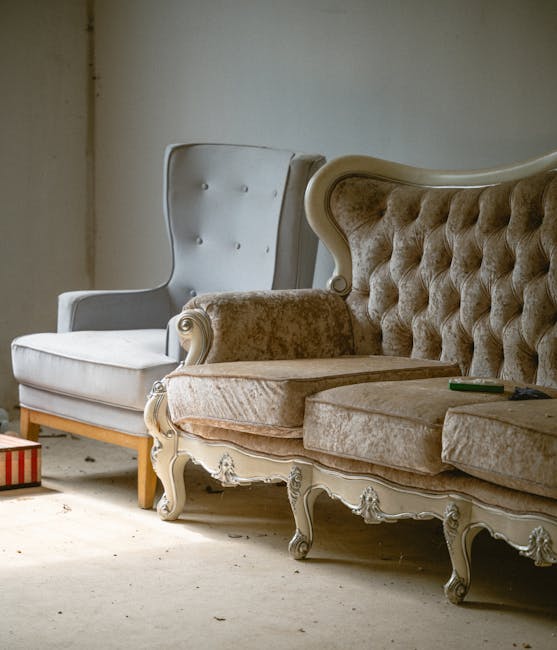
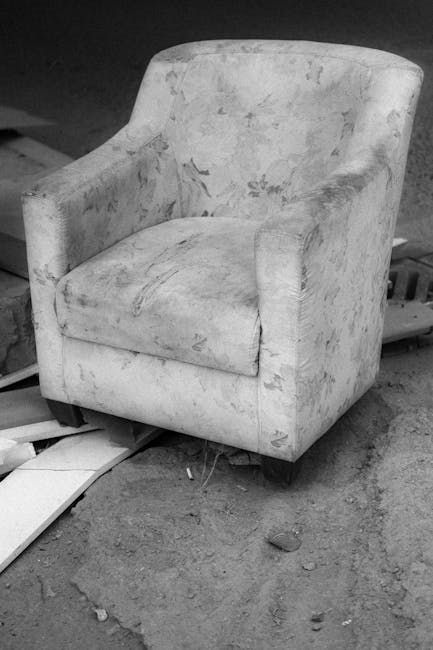
Furniture left after probate: Lambeth removal steps
Dealing with furniture left behind after probate can feel oddly personal. One room looks almost normal, then you open a door and there it is: a dining table with old scratches, a heavy wardrobe that will not budge, boxes of paperwork, and the quiet sense that the practical side of things has finally arrived. If you are handling furniture left after probate: Lambeth removal steps, you probably want something simple, respectful, and legally sensible. Not drama. Not guesswork. Just a clear path forward.
This guide walks you through the process in plain English, from confirming authority to deciding what stays, what goes, and how to arrange a careful removal in Lambeth. It also covers timing, safety, costs, recycling, and the common mistakes that can turn a difficult job into a messy one. Let's face it, no one needs extra complications at a time like this.
Table of Contents
- Why Furniture left after probate: Lambeth removal steps Matters
- How Furniture left after probate: Lambeth removal steps Works
- Key Benefits and Practical Advantages
- Who This Is For and When It Makes Sense
- Step-by-Step Guidance
- Expert Tips for Better Results
- Common Mistakes to Avoid
- Tools, Resources and Recommendations
- Law, Compliance, Standards, or Best Practice
- Options, Methods, or Comparison Table
- Case Study or Real-World Example
- Practical Checklist
- Conclusion
- Frequently Asked Questions
Why Furniture left after probate: Lambeth removal steps Matters
Probate is the legal process that confirms who can deal with the estate of someone who has died. In practical terms, that often means a property in Lambeth needs to be emptied or partly cleared before it can be sold, handed back to a landlord, prepared for valuation, or simply made safe and manageable. Furniture is usually the biggest part of that job. It takes space, it takes time, and sometimes it carries sentimental weight that slows decisions down. Understandably so.
The removal step matters because the wrong approach can create avoidable problems. Items may belong to the estate, but some may be claimed by family members, some may need to be sold, and some may need to be recycled or disposed of properly. If people rush in before authority is clear, tensions rise quickly. You will notice that the smoothest probate clearances usually start with one calm decision: pause, check who has the right to act, then plan the clearance carefully.
In Lambeth, where homes range from compact flats above shops to larger terraced properties, access can matter as much as the paperwork. Narrow stairwells, parking restrictions, and time limits on loading all affect how furniture is removed. That is why a local, well-planned approach beats a last-minute lift-and-shift every time.
Expert summary: The best probate furniture removal is not just about lifting items out of a property. It is about confirming authority, protecting the estate, preserving anything of value, and removing the rest in a way that is safe, efficient, and respectful.
How Furniture left after probate: Lambeth removal steps Works
The process is usually straightforward in principle, though real homes rarely behave themselves. First, the executor, administrator, or authorised family member confirms what should happen to the furniture. Then the contents are reviewed room by room. After that, items are separated into categories: keep, sell, donate, recycle, or remove as waste. Finally, a removal team clears the agreed items and leaves the property tidy.
In a probate setting, the key question is not just what can be taken away? It is also who has agreed to it? If there are several beneficiaries, it helps to have a clear record of decisions. That can be as simple as a list with notes, or as formal as an inventory and written instructions. Either way, clarity saves arguments later. To be fair, most family disputes about belongings start with uncertainty rather than bad intent.
A professional probate removal in Lambeth should also consider access and protection. Floors, bannisters, lifts, and door frames may need attention, especially with bulky furniture like wardrobes, sofas, beds, and sideboards. A good team plans the route before moving anything. Small thing, big difference.
There is also a recycling and reuse angle. Furniture does not always need to be thrown away. Some items can be passed on, sold, broken down for materials, or diverted away from landfill where appropriate. If sustainability matters to you, it is worth reading the company's approach to recycling and sustainability before you book. It gives you a better sense of how items are handled after collection.
Key Benefits and Practical Advantages
A good probate furniture removal process brings more than convenience. It reduces stress, protects value, and keeps the estate moving. That sounds obvious, but in the middle of a house full of belongings, obvious is not always easy.
- Less emotional strain: Decisions are made in a more organised way, rather than in a rushed weekend clear-out with everyone standing in different rooms saying different things.
- Better handling of valuable items: Furniture that has resale value or family significance can be separated early, before it gets mixed in with general clearance.
- Safer removal: Heavy items are moved with proper technique and equipment, reducing the risk of injury or damage.
- Cleaner property handover: Whether the property is being sold, let, or returned to a landlord, a cleared space is much easier to present well.
- More responsible disposal: Reuse and recycling can be considered before anything is treated as waste.
- Less back-and-forth: A single planned visit is often better than multiple car-loads, especially in busy parts of Lambeth.
There is another quiet benefit too: momentum. Once the furniture removal is organised, the rest of the estate administration often feels less overwhelming. A room cleared of bulky items changes the whole atmosphere. It suddenly feels like progress, not just paperwork.
Who This Is For and When It Makes Sense
This process is relevant for executors, administrators, solicitors handling estate work, landlords receiving a property back after a death, and family members helping a relative deal with belongings. It is also useful if the estate includes a mix of furniture that needs sorting quickly and carefully.
It makes sense when the property needs to be emptied for probate sale, valuation, renovation, insurance inspection, or reletting. It also makes sense if the family is not local to Lambeth and cannot easily manage the process themselves. A lot of people are juggling work, grief, travel, and deadlines. Truth be told, the practical side can get neglected until it becomes urgent.
Here are some common situations:
- A flat in Brixton or Streatham needs to be cleared before estate agents can photograph it.
- A small terraced house has a mix of modern and antique furniture that must be separated first.
- Family members disagree about a sofa, a cabinet, or a dining set and need a neutral, orderly process.
- The property contains large items that will not fit in a normal vehicle.
- There is limited time between probate progress, completion dates, and moving deadlines.
If any of that sounds familiar, a structured removal plan will save time and a fair bit of stress.
Step-by-Step Guidance
Below is a practical route through the process. It is not glamorous, but it works.
1. Confirm who has authority to act
Before anything leaves the property, confirm that the executor, administrator, or other authorised person is making the decisions. If there are several decision-makers, agree the rules early. For example, will certain items be reserved for beneficiaries before removal begins? Who approves donation or disposal? A short written note can prevent plenty of confusion.
2. Walk through the property and make a simple inventory
Room by room, list the furniture and note anything that may have value or sentimental significance. You do not need museum-level detail. Just enough to know what is present and what should happen to it. It helps to photograph key items, especially antiques, branded furniture, or pieces that a family member may want to keep.
3. Sort items into clear groups
Use four basic categories:
- Keep - items for beneficiaries or the estate.
- Sell - items with usable resale value.
- Donate - items in good condition that someone else could use.
- Remove - items to be recycled or disposed of responsibly.
It sounds almost too simple, but this step makes the whole thing much less chaotic. If the property is full of mixed contents, colour-coded notes or room labels can help. A bit old-school, but effective.
4. Check access, parking, and building constraints
Lambeth properties often present practical access issues. Think about stairs, lift size, doorway width, parking bays, and time restrictions. If the building has a concierge or requires advance notice, sort that before collection day. Nothing slows a job down like discovering the furniture can leave the room, but not the building.
5. Protect the property before removal starts
Floor coverings, walls, and corners can be vulnerable when large items are being carried out. Good practice is to use protection where needed and keep a clear route through the property. If the clearance team offers insurance and safety information, review it in advance. For instance, the company's insurance and safety page is a sensible place to check what protection and procedures are in place.
6. Separate reusable furniture from waste
Not everything should be treated as rubbish. Solid wood items, clean upholstered furniture, and usable tables or chairs may have a second life. Ask how the team handles reuse and materials recovery. That can reduce disposal costs and improve environmental outcomes.
7. Arrange the removal and final tidy-up
On the day, make sure all agreed items are clearly identified. If the property contains mixed belongings from different people, go slow and double-check labels. After removal, the property should be left reasonably tidy and ready for the next stage, whether that is valuation, cleaning, or sale preparation.
8. Keep a record of what left the property
For probate administration, a simple record of removed items is useful. It need not be complicated. A list, photos, and any disposal or donation notes are usually enough to show that the process was handled sensibly. That little bit of admin can save a headache later.
Expert Tips for Better Results
In our experience, the best probate clearances are rarely the fastest at the start. They are the ones where someone takes ten extra minutes to make decisions properly. That patience pays off.
- Start with the highest-value or most disputed items. If there is an antique cabinet, designer chair, or sentimental dining set, deal with it early. It avoids mistakes.
- Use room-by-room decisions. People make better choices when they are not trying to handle the whole house in one go.
- Keep a "do not move yet" pile. That one label can stop a lot of accidental removals.
- Ask about disposal routes. Reuse, donation, recycling, and waste all serve different purposes.
- Book enough time. Probate removals often take longer than standard clearances because decisions are slower and more sensitive.
- Be realistic about condition. A scratched table may still be useful; a wobbly wardrobe may not be worth moving twice.
One small but useful habit: take photos before items are moved, especially if family members live elsewhere. A quick photo on a phone can settle misunderstandings later. It's boring, yes. Also brilliant.
If you are comparing providers, use more than price alone. Ask whether they can help with mixed-value items, access challenges, and careful handling. You can also review the company's pricing and quotes information to understand how estimates are usually discussed before any job begins.
Common Mistakes to Avoid
Most mistakes in probate furniture removal are predictable. That is actually good news, because predictable mistakes are easy to prevent once you know what to watch for.
- Removing items before authority is clear. This is the big one. It can create disputes or slow the estate process.
- Mixing estate items with personal belongings. Once everything is piled together, sorting becomes twice as hard.
- Forgetting about access restrictions. A job in Lambeth can be delayed by parking, lifts, or narrow access if nobody checks first.
- Assuming everything is waste. Usable furniture may have value or a useful second life.
- Not documenting what happened. A simple inventory matters more than people expect.
- Choosing a provider without checking safety practices. Heavy lifting and property access need proper care.
Another common one? Leaving the job until the very last minute and then expecting the property to clear itself by magic. Nice idea. Not real life.
Tools, Resources and Recommendations
You do not need a van full of specialised kit to manage probate furniture removal well, but a few practical tools make the process smoother.
Useful tools
- Notebook or spreadsheet: for listing furniture room by room.
- Phone camera: for photos of items, labels, and the property before removal.
- Sticky notes or masking tape: for marking items to keep, move, or review later.
- Measuring tape: especially helpful when large furniture needs to pass through tight hallways or stairwells.
- Gloves and basic protective gear: useful if family members are sorting through dusty rooms or old storage spaces.
Helpful company pages to review
If you want to understand the wider service standards behind a clearance company, a few pages are worth a quick look. For example, about the company can give you a sense of experience and approach, while health and safety guidance is useful if the property has heavy items, awkward access, or tight stairways. For payment-related concerns, the page on payment and security can be reassuring before you confirm anything.
If you are ready to make contact, you can also use the company's contact page to ask questions about timing, access, and the type of furniture involved. A short conversation often clears up more than a long email chain.
Law, Compliance, Standards, or Best Practice
Probate furniture removal is not just a practical job; it can have legal and procedural implications. The precise responsibilities depend on the estate, the will, the executor's authority, and any instructions from solicitors or family members. If you are unsure who owns what, or whether an item can be removed yet, get clarity before scheduling the clearance.
Best practice usually includes the following:
- confirming the person instructing the removal has authority to do so;
- keeping a basic inventory of the items removed;
- avoiding disposal of items that may belong to beneficiaries until decisions are final;
- using safe lifting methods and suitable equipment for bulky furniture;
- handling waste and recycling responsibly;
- respecting the privacy of the deceased's personal papers and contents.
It is also wise to check the provider's published terms and conditions, especially if access is tight, the property contains unusually heavy furniture, or the job may need more than one visit. The company's terms and conditions can help set expectations about scope and service boundaries.
On the ethical side, probate clearances should be discreet and respectful. Family homes carry memories, and even a simple chair can mean a lot to someone. Good operators understand that. Not every task needs a speech, but it does need care.
Options, Methods, or Comparison Table
There is more than one way to deal with furniture left after probate. The right method depends on time, condition, value, and how much help is available.
| Option | Best for | Pros | Limitations |
|---|---|---|---|
| Family-led sorting | Small estates or items with strong sentimental value | Personal control, careful decisions | Can be slow and emotionally draining |
| Sell or pass on items first | Furniture with resale value or good condition | May recover value, reduces waste | Needs time, effort, and coordination |
| Donation and reuse route | Usable furniture with limited financial value | Practical and more sustainable | Not all items are accepted |
| Professional probate removal | Heavier items, busy schedules, local access issues | Efficient, safer, more organised | Requires budgeting and clear instructions |
For many Lambeth households, a hybrid approach works best. Keep the important pieces. Sell a few worthwhile items if time allows. Then use a professional team for the heavy lifting and final clear-out. That balance tends to feel less wasteful and less overwhelming.
Case Study or Real-World Example
Here is a realistic example based on the kind of situation often seen in Lambeth. A family needed to clear a two-bedroom flat after probate. The property contained a large wardrobe, a sofa, a dining table, two beds, and several smaller cabinets. Some items were wanted by relatives. One sideboard had minor damage but was still useful. A few pieces were too worn to keep.
The first step was not removal. It was sorting. The executor and two family members walked through each room and decided what stayed, what should be set aside, and what could be removed. They used photos and a simple list. That took longer than expected, because of course it did, but it saved confusion later.
The removal team then checked access from the front door to the loading area, including stair width and any parking restrictions. The furniture was removed in one organised visit, with reusable pieces separated from the items going for disposal or recycling. The flat was left clear and ready for the next stage. No drama, no damaged walls, no wondering whether a table was meant to stay. Just one more estate task completed properly.
The biggest lesson from that kind of job is simple: a calm, orderly probate process almost always beats a rushed one. Even if the house feels full to the brim on the first day, a good plan changes everything.
Practical Checklist
Use this checklist before you arrange furniture removal after probate in Lambeth.
- Confirm who has legal authority to instruct the clearance.
- Walk through the property and identify all furniture.
- Mark items to keep, sell, donate, recycle, or remove.
- Take photos of valuable, sentimental, or disputed items.
- Check access, parking, stairs, lifts, and loading arrangements.
- Protect floors, corners, and entry points if needed.
- Separate estate belongings from personal or unrelated items.
- Confirm the handling of reusable and recyclable furniture.
- Review pricing, payment, and terms before booking.
- Keep a record of what was removed and when.
If you can tick most of those boxes, you are already ahead of the game. Really. It makes the rest much easier.
Conclusion
Furniture left after probate is rarely just furniture. It is often memory, responsibility, and logistics all mixed together in one room. The best Lambeth removal steps are the ones that slow things down just enough to avoid mistakes, then move the job forward with care. Confirm authority, sort the contents thoughtfully, plan for access, and choose the removal method that fits the estate rather than forcing the estate to fit the method.
Handled well, this process can bring real relief. A cleared room can feel like a practical milestone, yes, but also a small act of closure. Not the end of the story, just the part where things become manageable again.
Get a free quote today and see how much you can save.
If you would like to understand the company behind the service a little better before you proceed, take a look at the about us page and then get in touch when you are ready. Sometimes the next step is simply a conversation.
Frequently Asked Questions
What does furniture left after probate mean?
It refers to furniture and household items remaining in a property after someone has died and the estate is being handled through probate. The items may need to be kept, distributed, sold, donated, recycled, or removed.
Who is allowed to arrange probate furniture removal in Lambeth?
Usually the executor or administrator of the estate, or someone instructed by them, can arrange it. If several family members are involved, it is best to agree the plan in writing first so there is no confusion later.
Do I need to sort the furniture before booking removal?
It helps a lot. A basic sort into keep, sell, donate, and remove makes the job smoother and reduces the chance of important items being taken away by mistake.
Can valuable furniture be sold instead of removed?
Yes, if the estate wants to do that and the item is in suitable condition. Some probate furniture has resale value, but it is sensible to assess it realistically before deciding. A scratched table can still be useful; a broken one, not so much.
What happens to furniture that cannot be reused?
It is usually assessed for recycling or disposal. Good clearance practice aims to divert reusable items away from waste where possible and handle the rest responsibly.
How long does probate furniture removal usually take?
It depends on the size of the property, the amount of furniture, access conditions, and whether decisions have already been made. A small flat may take far less time than a larger home with bulky items and narrow stairs.
How do I deal with sentimental items that family members disagree about?
Pause the removal of those items until the decision is clear. Photos, a written list, and a simple beneficiary discussion can help. Rushing sentimental decisions is rarely a good idea.
Is probate furniture removal different from a normal house clearance?
Yes, usually. Probate removals need more care around authority, inventory, family agreement, and items of possible value or sentimental importance. The practical work may look similar, but the handling is more sensitive.
What should I ask a Lambeth clearance company before booking?
Ask about authority checks, access planning, insurance and safety, recycling routes, pricing, and whether they can handle large or awkward items. A few clear questions up front can save a lot of hassle.
Will the property be left tidy after the furniture is removed?
That depends on the service agreed, but a good probate removal should leave the agreed areas clear and reasonably tidy. If you need a deeper clean afterwards, make that part of the plan from the start.
How can I keep the process respectful for the family?
Go room by room, let people claim clearly personal items early, and avoid turning it into a rushed sort-out. A respectful pace is often the difference between a difficult job and a manageable one.
Where can I check payment and service details before I book?
It is sensible to review the company's payment and security page and then confirm the details directly. That way you know what to expect before anything is scheduled.
For any family dealing with an estate, the process can feel heavier than the furniture itself. Take it one room at a time, keep decisions clear, and you will get there. ????-????, as they say - although in Lambeth, most people just call it getting on with it.