Brixton SW9 Rubbish Removal Guide for Market Traders
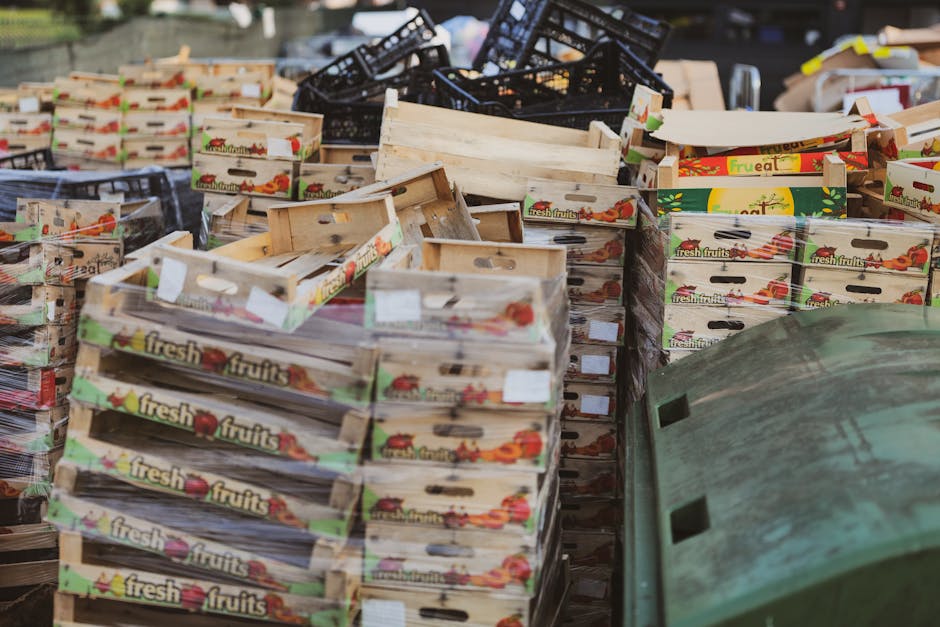
If you trade at or around Brixton Market, waste has a habit of building up fast. Cardboard from deliveries, damaged display stock, food packaging, broken crates, old signage, shrink wrap, and the odd bulky item can turn a busy pitch into a cluttered one before lunchtime. This Brixton SW9 rubbish removal guide for market traders is designed to help you keep your stall clean, compliant, and easy to work in without creating extra stress for you or your team.
Truth be told, rubbish management is one of those unglamorous parts of market life that becomes obvious only when it goes wrong. A good system saves time, reduces trip hazards, helps with customer presentation, and makes the end-of-day clear-up feel far less chaotic. In this guide, you'll find a practical breakdown of how market trader rubbish removal works, what to watch out for, the common mistakes people make, and the sensible options available if you want the job handled properly.
It's written for traders who want straight answers, not fluff. And yes, that includes the awkward bits like mixed waste, bulky packaging, and the question of what to do when the pitch is full and the van is already packed.
- Why rubbish removal matters for Brixton market traders
- How the rubbish removal process works
- Key benefits and practical advantages
- Who this is for and when it makes sense
- Step-by-step guidance
- Expert tips for better results
- Common mistakes to avoid
- Tools, resources and recommendations
- Law, compliance and best practice
- Options, methods and comparison
- Case study example
- Practical checklist
- Conclusion
- Frequently asked questions
Why Brixton SW9 rubbish removal guide for market traders Matters
Market trading in Brixton is busy, exposed, and highly visible. People are walking past your stall all day, and they notice more than you might think. A neat trading space signals care, professionalism, and confidence. Overflowing waste does the opposite. It can make even a brilliant stall look tired or poorly managed.
There's also the practical side. Loose packaging, stray cable ties, broken trays, food waste, and discarded fittings can become trip hazards in a narrow walkway. On a wet day, with foot traffic moving quickly, that's not a small issue. In our experience, the traders who stay ahead of waste are usually the ones who avoid the little pile-ups that slow the whole day down.
For traders in SW9, rubbish removal is not just about getting rid of waste at the end of the day. It's about flow. How quickly can you clear cardboard after deliveries? Where do you keep broken stock before collection? What happens if you need to dispose of old shelving or a damaged display unit? These are the questions that shape whether your pitch runs smoothly or becomes a daily scramble.
Expert summary: For market traders, the best rubbish removal system is usually the simplest one: sort waste early, keep it contained, and arrange removal before it becomes a problem. If you leave it until the last minute, it tends to multiply. Funny how that works.
This matters even more if you trade regularly rather than once in a while. A one-off mess is manageable. A repeated waste issue becomes a rhythm problem, and then a cost problem, and then a hassle you start dreading every market day.
How Brixton SW9 rubbish removal guide for market traders Works
Market trader rubbish removal usually follows a straightforward pattern, although the details vary depending on your stall type, the amount of waste, and whether you're dealing with light packaging or bulkier items. At a basic level, the process is: separate, gather, load, remove, and dispose of waste responsibly.
For many traders, the day starts with incoming stock and packaging. Cardboard boxes, plastic wrap, tape, pallet strapping, and protective materials tend to pile up quickly. By midday, the waste area can look very different from the tidy setup you started with. If you're selling food, drinks, clothing, homeware, or mixed goods, your waste streams may be different too. A cafe trader may need food-safe waste handling, while a clothing trader may be dealing with hangers, damaged stock, and packaging from deliveries.
There are typically three practical ways the removal process happens:
- On-stall sorting: Waste is separated as it is created, which keeps the pitch cleaner and makes collection easier.
- End-of-session clearance: Waste is bagged or bundled during trading hours, then removed at closing time or after pack-down.
- Scheduled collection: A regular collection plan is arranged for repeat waste, especially useful for busy traders with frequent deliveries.
Some traders use a mix of these methods. That's normal. If you're getting a big delivery on Friday and trading heavily on Saturday, you may need a different setup for each day. To be fair, one-size-fits-all rarely works in market life.
If you need broader support beyond market waste, services such as waste removal and business waste removal can be useful because they fit the realities of commercial premises rather than domestic-style clear-outs.
Key Benefits and Practical Advantages
Good rubbish removal is not just a tidy-up job. It improves how your stall operates, how customers experience your space, and how easy your working day feels. The benefits are often small on their own, but together they add up.
Cleaner presentation
A clear, well-kept pitch looks more reliable. Customers may not consciously think, "this trader manages waste well," but they absolutely notice the difference between a clean stall and one with bags spilling into the walkway.
Faster pack-down
When waste is organised properly, closing time is less frantic. You're not sorting through random boxes while everyone else is trying to go home. That alone can save a lot of energy, especially after a long day in cold or damp weather.
Better use of space
Market stalls are rarely generous on storage. If waste starts occupying the same area as stock or equipment, your stall becomes harder to work in. Simple removal habits keep that precious square metre or two useful.
Lower risk of pests and odours
This is especially relevant for traders handling food, produce, florals, or anything with organic residue. Waste left too long can attract smells or unwanted attention from pests. Nobody wants that on a busy trading day.
Less manual handling stress
Repeated lifting of overfilled bags, awkward boxes, and bulky items can be exhausting. If the process is organised properly, you reduce the number of times you handle the same item. Simple, but effective.
More predictable operations
When waste is part of the plan rather than a last-minute panic, your day feels steadier. And a steady day is a better day, usually.
For traders who also manage stockroom overflow, old furniture, or broken equipment, relevant support can extend beyond market waste into furniture disposal or furniture clearance when items are too bulky to handle in-house.
Who This Is For and When It Makes Sense
This guide is for market traders in Brixton SW9 who need a practical, realistic approach to rubbish removal. That includes traders who operate every day, traders who only work certain market days, and traders who run a pitch alongside another business nearby.
You may need a more structured approach if you are:
- running a busy food, drink, or takeaway-style stall
- receiving large regular deliveries
- dealing with cardboard, film wrap, crates, or mixed packaging in volume
- replacing display units, tables, shelving, or signage
- clearing out stock that is damaged, out of date, or no longer saleable
- trying to keep a narrow pitch safe and visually tidy
It also makes sense if waste is becoming a hidden time drain. Some traders think their waste problem is minor until they realise it's costing them ten or fifteen minutes every day. That sounds small, but across a week it becomes a real drag.
If you're setting up a new pitch, renovating a stall, or moving items into or out of a market unit, you may need services that overlap with commercial clearance more broadly. In those cases, you may also find office clearance or builders waste clearance relevant, depending on the type of debris involved. Not glamorous, but useful.
And if your waste issue comes from a bigger reset, such as relocating equipment or clearing stored stock from a back room, the broader service pages for loft clearance, garage clearance, or even home clearance can help frame what level of removal you actually need.
Step-by-Step Guidance
If you want a cleaner, calmer waste routine, work through it in a sensible order. No need to make it complicated. In fact, the simpler the better.
- Identify your waste types. Start by listing what you throw away most often: cardboard, soft plastic, food waste, damaged stock, wooden crates, old display items, or mixed rubbish.
- Separate waste streams early. Put different waste types in different containers where possible. Even basic separation helps. It keeps collection quicker and makes the area feel less chaotic.
- Choose the right containers. Use sacks, bins, boxes, or cages that suit the stall size and waste volume. If bags keep tearing, the container is too small or the waste is too sharp and awkward.
- Set a removal point. Decide where waste will be stored before collection. Keep it away from customer flow, produce, open food, and wet surfaces.
- Plan timing around trade. Don't leave awkward waste until the end if you can clear it safely during quieter periods. A few minutes here and there makes a big difference.
- Book removal before overflow happens. If you know you'll have a heavy week, arrange removal early. Waiting until bags are bursting is asking for trouble.
- Check what can be reused or recycled. Cardboard, packaging, and some display materials can often be handled more efficiently if separated properly.
- Review the process after a busy day. Ask yourself what clogged things up. Was it a storage issue, a container issue, or just too much waste for the current setup?
That last step matters more than people expect. A quick review every week or two helps you spot patterns. Perhaps you always run short on cardboard space after deliveries. Perhaps staff keep placing mixed waste in the wrong bag. Small patterns, big payoff.
Expert Tips for Better Results
There are a few habits that make rubbish removal much easier for market traders. None of them are dramatic. They're just the sort of things people with experience do without overthinking it.
- Flatten cardboard immediately. It takes seconds, and it saves a surprising amount of room. A stack of flat boxes is far easier to handle than a tower of half-open cartons wobbling about in the corner.
- Keep one dedicated waste area. If waste moves around the stall, it gets in the way. One spot, clearly defined, is usually best.
- Use liners or bags that match the waste. Thin bags split too easily. Overly large bags encourage overfilling. Neither is ideal.
- Train everyone on the same routine. If more than one person works the pitch, make sure they know where waste goes and what gets separated.
- Do a mini clear-up before the rush. A five-minute tidy before peak footfall can keep the stall looking sharp when it matters most.
- Schedule bulk clearances after busy trading periods. If you've had a launch, promotion, or seasonal surge, expect waste volume to rise. Plan for it rather than reacting to it.
A tiny but useful tip: keep a spare roll of heavy-duty bags tucked away, not somewhere "safe" that nobody can remember by Friday afternoon. We've all seen that one. The bag is somewhere. Nobody knows where. Classic.
If you want to keep waste handling efficient over time, it's worth thinking beyond the stall itself. Broader operational services such as recycling and sustainability may help you build better habits around sorting, recovery, and responsible disposal.
Common Mistakes to Avoid
Most rubbish removal problems for traders are not caused by bad intentions. They usually come from rushing, poor planning, or underestimating how quickly waste builds up. The fixes are simple enough, but only if you catch them early.
- Leaving packaging until the end of the day. It sounds harmless, but it often creates one giant, awkward pile that slows pack-down.
- Mixing waste streams without thinking. Mixed rubbish is harder to manage and often harder to remove cleanly.
- Using the wrong bags or containers. Bags that split or bins that are too small cause mess, delays, and a fair bit of swearing under your breath.
- Ignoring bulky waste. Old chairs, damaged display units, and broken storage items do not magically disappear. Sadly.
- Allowing waste to block customer areas. Even temporarily, this can make a stall feel cluttered and less welcoming.
- Not planning for seasonal spikes. Christmas, summer events, and local busy periods can increase waste much faster than expected.
- Assuming one collection method will fit all weeks. Some weeks need more support. Some need less. Keep it flexible.
There's also a subtle mistake people make: they treat waste as if it's separate from trading. It isn't. It affects your layout, your speed, your reputation, and your mood. Yes, your mood too. A clean pitch feels different when you're standing in it at 8:30am with a coffee in one hand and three deliveries to sort out.
Tools, Resources and Recommendations
You do not need fancy equipment to manage market rubbish well. A few practical tools are usually enough, provided they're chosen with the stall in mind.
- Heavy-duty bin bags: Good for general waste, packaging, and light mixed rubbish.
- Flattening tools or cutters: Useful for cardboard-heavy traders who need to reduce volume fast.
- Stackable crates: Helpful for keeping clean stock separate from waste during busy periods.
- Clearly labelled containers: Simple labels reduce confusion among staff and temporary helpers.
- Hand trolley or sack truck: Useful for moving heavier loads safely without repeated lifting.
- Gloves and basic cleaning kit: For small spillages, broken packaging, or unexpected mess. It happens.
In some cases, traders also need a more structured commercial approach rather than ad hoc clear-ups. That is where services like business waste removal fit neatly. If the issue is more about end-of-season stock, old fixtures, or surplus items than day-to-day rubbish, then furniture clearance and furniture disposal may be more appropriate.
It may also help to keep a simple written routine on site. Nothing fancy. Just a short note about what gets bagged, what gets flattened, and who clears what at closing time. Those little instructions stop a lot of confusion.
Law, Compliance, Standards, or Best Practice
Waste handling for market traders should always be approached carefully and responsibly. Exact obligations can vary depending on the type of waste, the location, and the arrangements in place for your trading pitch, so it is wise to treat local requirements seriously and check the current expectations that apply to your setup.
As a rule of thumb, market traders should avoid leaving rubbish where it can create obstruction, contamination, smell, or a safety risk. That includes keeping walkways clear, preventing waste from spreading in windy weather, and making sure bagged waste is secure. Brixton can get breezy, and anyone who has watched loose cardboard take off down the street knows how quickly a tidy setup can turn into a minor chase scene.
Good practice also means using appropriate containers, separating recyclable material where possible, and making sure any contractor or clearance provider understands the nature of commercial waste. Food-related waste, contaminated packaging, and bulky non-household items need careful handling. The same goes for anything sharp, wet, or potentially hazardous.
If your trade involves staff, customers, or shared spaces, health and safety should stay front and centre. A sensible approach is to keep waste storage away from food contact areas, maintain clear walking routes, and avoid overfilling bags. For traders who want to think about operator safety and handling standards in more depth, the site's health and safety policy and insurance and safety pages offer useful context about how professional services should be run responsibly.
There is also a wider standards issue. If you are paying for removal, you want a provider that works transparently, handles waste lawfully, and does not cut corners. A professional service should be clear about what it removes, how it charges, and what happens to the waste after collection. That's simply good practice.
Options, Methods, or Comparison Table
Different traders need different rubbish removal methods. Some just need a quick end-of-day pickup. Others need a fuller clearance for bulky stock or a seasonal reset. The table below gives a simple comparison.
| Method | Best for | Advantages | Limitations |
|---|---|---|---|
| Self-managed bagging and disposal | Small, light, predictable waste | Low complexity, easy to start | Can become messy if volume rises |
| Scheduled commercial collection | Regular traders with steady waste output | Predictable, less last-minute pressure | Needs planning and routine |
| One-off bulky clearance | Old equipment, broken displays, stock resets | Clears large items quickly | Not ideal for ongoing daily waste |
| Mixed waste removal support | Busy stalls with varied materials | Flexible, practical for real market conditions | Needs careful sorting and clear communication |
For traders near or within small business spaces, an organised commercial service can often be more effective than trying to improvise. If you need support with work areas beyond the market stall, services such as office clearance or builders waste clearance can be relevant where the waste includes fittings, fixtures, or renovation debris rather than ordinary trade rubbish.
Case Study or Real-World Example
Imagine a trader running a busy Saturday pitch in Brixton selling homeware and small decorative items. By midday, the stall has a pile of flattened-but-not-really-flat cardboard, several torn outer sleeves, damaged packaging from display stock, a broken plastic crate, and a couple of old cardboard signs that have seen better days.
At first glance it looks manageable. Then the afternoon rush hits. Customers are standing closer to the front of the stall, someone knocks a box sideways, and the waste starts edging into the walking space. It's not a disaster, but it is annoying. The trader is spending more time shifting clutter than serving customers.
The solution in this scenario is simple enough:
- flatten packaging as it arrives
- separate cardboard from mixed rubbish
- move broken items into a single designated container
- clear the waste area before the busiest part of the day
- book a removal service after the market session if the load is too large for normal disposal
The improvement is noticeable almost immediately. Less clutter. Better movement behind the stall. A cleaner customer-facing side. And, perhaps most importantly, less end-of-day frustration. Little wins add up, especially when you repeat them weekly.
For traders dealing with larger stock changes, a bigger clean-out might also be closer to a house clearance style job than simple rubbish collection, particularly if the space has filled up with unsold goods, packaging, and storage overflow over time.
Practical Checklist
Use this checklist before, during, and after trading days to keep waste under control.
- Have enough heavy-duty bags, crates, or bins for the day's expected waste
- Flatten cardboard as soon as it is empty
- Separate recyclable material where practical
- Keep waste away from customer-facing areas
- Do not let bags overflow or split
- Store bulky items in one safe place
- Clear sharp or awkward waste promptly
- Review waste levels after busy trading periods
- Plan for seasonal surges or deliveries
- Arrange collection before the waste pile becomes unmanageable
If your stall also has a storage backroom or shared unit, it's worth checking whether the same process could help with overstock or forgotten items. That's where services like flat clearance or garage clearance can sometimes mirror the same sort of tidy-up logic, even if the setting is different.
Conclusion
Brixton SW9 rubbish removal for market traders works best when it is treated as part of the trading routine, not an afterthought. The stalls that stay cleaner, safer, and easier to run usually have a simple system: sort waste early, keep it contained, and deal with it before it gets in the way.
That approach helps with presentation, safety, speed, and sanity. And really, sanity counts on a busy market day. If you've ever tried to pack down in a rush while cardboard is flapping around and someone's asking where the tape went, you already know that small systems matter a lot.
Whether you need day-to-day support or a larger clearance for bulky items and stock changes, the right plan will save time and reduce stress. Start small, keep it consistent, and adjust when the stall changes. That's usually where the win is.
Get a free quote today and see how much you can save.
Frequently Asked Questions
What is the best way for Brixton market traders to manage rubbish daily?
The best approach is usually simple sorting, flattening cardboard early, and keeping waste in one clearly defined area so it does not spread across the stall.
Can market traders use regular bin bags for all waste?
Sometimes, yes, but only for light waste. Heavy cardboard, sharp items, or bulky materials often need stronger bags, better containers, or a different removal method altogether.
Do I need a professional rubbish removal service for my stall?
Not always. If your waste volume is small and predictable, you may manage it yourself. If it grows quickly, becomes bulky, or starts affecting trading space, professional support can make life easier.
How often should market waste be removed?
That depends on how much you generate. Some traders need daily attention, while others only need scheduled collections after busy sessions or during peak periods.
What kind of waste do market traders usually create?
Common waste includes cardboard, plastic wrap, damaged stock, food packaging, signage, wooden crates, and occasional bulky items like broken storage or display pieces.
Is mixed waste harder to remove?
Yes. Mixed waste is usually harder to sort, store, and remove efficiently. Separating waste streams early saves time and often reduces mess.
What should I do with bulky broken items?
Put them aside in a single safe area and arrange a suitable clearance method. Do not leave them blocking walkways or stacking them where they might fall.
How can I keep my stall tidy during a busy trading day?
Clear waste in short bursts rather than waiting until the end. Flatten packaging quickly, keep a dedicated waste spot, and avoid letting clutter build up behind the counter.
Are there safety risks with poor rubbish handling?
Yes. Poor waste handling can cause trip hazards, blocked access, hygiene issues, and awkward lifting injuries. It can also make the stall look less professional.
What should I look for in a rubbish removal provider?
Look for clear communication, suitable handling of commercial waste, sensible pricing, and a practical approach to bulky or mixed items. Transparency matters more than fancy language.
Can rubbish removal help with recycling as well?
Yes, if waste is separated properly. Cardboard and some packaging are often easier to recover when they are kept apart from general rubbish.
When is a bigger clearance better than routine waste removal?
If you are changing stock, replacing fixtures, clearing a storage space, or dealing with bulky items, a larger clearance is usually more efficient than trying to handle it through routine waste alone.