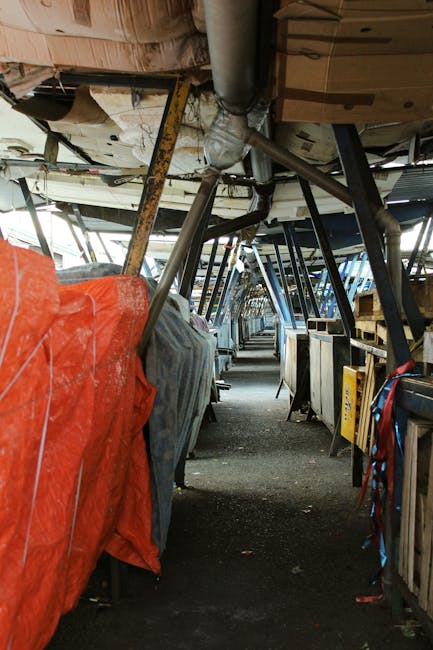
Brixton Market SW9: Bulky waste options in Lambeth
If you live, trade, or manage property near Brixton Market SW9, bulky waste can become a surprisingly urgent problem. A mattress leaning by the back gate, a broken wardrobe in a top-floor flat, or a pile of shop fixtures after a refit can block space fast. This guide explains the practical bulky waste options in Lambeth, how they work, and how to choose the most sensible route for your situation.
Whether you need a one-off collection, help with heavy furniture, or a cleaner way to clear mixed household items, the right approach depends on access, urgency, item type, and budget. You will also find useful local considerations, compliance points, and realistic advice for avoiding delays. For readers comparing services, it can help to look at dedicated options such as furniture clearance in Lambeth, general waste removal, or a wider home clearance when the job is bigger than a single item.
Table of Contents
- Why Brixton Market SW9: Bulky waste options in Lambeth Matters
- How Brixton Market SW9: Bulky waste options in Lambeth Works
- Key Benefits and Practical Advantages
- Who This Is For and When It Makes Sense
- Step-by-Step Guidance
- Expert Tips for Better Results
- Common Mistakes to Avoid
- Tools, Resources and Recommendations
- Law, Compliance, Standards, or Best Practice
- Options, Methods, or Comparison Table
- Case Study or Real-World Example
- Practical Checklist
- Conclusion
- Frequently Asked Questions
Why Brixton Market SW9: Bulky waste options in Lambeth Matters
Brixton Market and the surrounding SW9 streets combine busy footfall, dense housing, narrow access points, and a mix of residential and commercial premises. That mix makes bulky waste harder to handle than many people expect. A standard bin collection is not designed for large items, and leaving furniture outside "just for a bit" can quickly create a nuisance, attract complaints, or cause access problems for neighbours and traders.
The issue is not only about tidiness. In a place like Brixton, bulky waste can interfere with loading bays, shared entrances, communal hallways, and busy pavements. For businesses, there is also the practical reality of keeping the shopfront looking open, safe, and customer-friendly. For residents, especially those in flats, a sofa or wardrobe often needs two people, careful carrying, and a route that avoids damaging walls, stairwells, or lifts.
That is why it helps to understand the full range of bulky waste solutions in Lambeth before you are in a rush. In many cases, the best choice is not the cheapest one on paper, but the one that avoids stress, reduces disruption, and gets the item moved without drama. Truth be told, bulky waste is rarely just "one item" once you factor in the logistics.
For anyone comparing levels of service, a specialist provider with options such as flat clearance or house clearance can be more efficient than trying to improvise a transport plan in a crowded street.
How Brixton Market SW9: Bulky waste options in Lambeth Works
In practical terms, bulky waste removal means taking away items that are too large, heavy, or awkward for normal household or business waste streams. Think mattresses, bed frames, wardrobes, sofas, desks, shelving, broken appliances, garden furniture, and mixed clear-out items. The exact service depends on who collects it and how much preparation you do before collection day.
Most people in Lambeth will choose one of four broad routes:
- Council-assisted bulky waste collection for eligible items and standard household disposal needs.
- Private bulky waste collection for faster booking, greater flexibility, or heavier volumes.
- Self-transport to a reuse or disposal point where suitable and practical.
- Combined clearance service for situations where bulky waste is only part of the job.
The right route depends on a few questions. Do you need the items gone quickly? Can you move them safely to the kerbside or ground floor? Are the items reusable, or are they beyond repair? Is the waste mixed with other materials, such as cardboard, carpet, or broken fittings? Once you answer those questions, the best option usually becomes clearer.
A good provider should be able to explain what they can take, what needs separating, and whether any items require special handling. If you are dealing with a wider clear-out, it may also be worth reviewing loft clearance or garage clearance if the bulky waste is coming from stored-over items rather than one-off furniture disposal.
Key Benefits and Practical Advantages
The strongest advantage of a well-planned bulky waste option is simple: it saves time and reduces friction. But the benefits go beyond convenience.
- Safer handling: heavy items are moved with fewer risks to people, walls, stairs, and doorframes.
- Less disruption: collections can be timed around trading hours, deliveries, or school runs.
- Cleaner shared spaces: communal areas stay usable and uncluttered.
- Better presentation: important for Brixton businesses, where appearance matters at street level.
- More predictable outcomes: you know who is taking the waste, when, and what happens next.
There is also a quieter benefit that people often miss: decision fatigue disappears. Instead of trying to borrow a van, find lifting help, and locate the nearest disposal point, you get one organised route. For many households and local traders, that alone is worth a lot.
If the items still have useful life, some may be suitable for reuse or separate furniture disposal rather than straightforward waste treatment. A responsible approach often starts with sorting, then choosing the right service path. Providers focused on recycling and sustainability can help avoid sending everything to landfill unnecessarily.
Who This Is For and When It Makes Sense
This topic matters to a broad range of people in and around Brixton Market SW9:
- Residents in flats and maisonettes who cannot safely move bulky items on their own.
- Landlords and letting agents managing end-of-tenancy clearances.
- Shop owners and market traders replacing fixtures, shelving, or stockroom furniture.
- Homeowners clearing out spare rooms, lofts, or garages.
- Office managers removing desks, chairs, and worn-out equipment.
- Builders and decorators dealing with non-rubble bulky debris after light works.
It makes sense to use a bulky waste option when the item is too large for normal bins, too awkward for public transport, too heavy to carry alone, or too risky to leave outside unprotected. For example, a single mattress may justify a quick collection; a full shop refit may need a more structured clearance plan. The bigger the job, the more value there is in a clear process.
Businesses in particular should think beyond disposal and consider continuity. Can the clearance happen before opening hours? Will staff be interrupted? Is there enough time to remove old stockroom items without blocking customer access? In some cases, a dedicated business waste removal service is the cleanest route.
Step-by-Step Guidance
If you want a straightforward approach, follow these steps.
- Identify everything that needs to go. Separate one-off bulky items from general rubbish, recyclables, and any reusable goods.
- Check access. Measure doorways, stair turns, lifts, and pavement space if the item is especially large.
- Decide whether the item can be broken down. Flat-pack furniture, bed frames, and shelving can often be dismantled to reduce handling risk.
- Choose the best collection method. Council collection, private clearance, or a combined service all suit different situations.
- Confirm what is included. Ask whether labour, loading, disposal, and recycling are all covered.
- Prepare the items. Empty drawers, remove personal contents, and keep pathways clear.
- Set a realistic collection window. In busy SW9 streets, timing matters more than people think.
- Ask about final handling. A good service should explain reuse, recycling, and disposal routes where relevant.
A small but important tip: take a quick photo before booking. It helps prevent misunderstandings and gives the provider a clear picture of size, quantity, and access. That is especially useful if your waste is spread across a flat, hallway, and basement storage area.
If the job expands while you sort through it, do not panic. That is common. Many people start with one mattress and end up clearing three chairs, a desk, and a pile of old boxes. A flexible service is often the easiest way forward, which is where a broader option such as furniture disposal can make more sense than a one-item collection.
Expert Tips for Better Results
Small decisions make a big difference with bulky waste, especially in a busy area like Brixton.
- Sort by type before collection. Keep furniture, mixed rubbish, and recyclables separate where possible.
- Clear the route first. Move bikes, prams, planters, and loose stock so movers can work safely.
- Protect shared surfaces. Cardboard or moving blankets can help prevent scuffs in tight hallways.
- Book with access in mind. Morning slots often work better if parking and loading are tighter later in the day.
- Ask about heavier items upfront. Some awkward objects need extra crew members or specific handling.
- Keep documents and keys handy. In flats or managed buildings, access delays are a common cause of wasted time.
If you are managing a bigger clear-out, think in terms of zones rather than piles. Kitchen first, then bedrooms, then storage areas. That approach keeps the job moving and avoids the half-clearance that seems to last forever. Everyone has seen it: one chair in the corridor for three days and suddenly it becomes part of the decor.
For larger domestic jobs, services such as house clearance or home clearance often bring better efficiency because the collection can be planned around the whole property rather than around each individual item.
Common Mistakes to Avoid
Bulky waste sounds simple until access, timing, and item type create friction. These are the most common mistakes:
- Leaving items in the wrong place. A collection team may not be able to remove waste from an upper floor or locked room without prior agreement.
- Mixing waste types unnecessarily. Mixed loads can slow down recycling and make quotations less accurate.
- Forgetting about parking or loading restrictions. In SW9, this can affect collection time and vehicle access.
- Underestimating weight. A wardrobe looks manageable until it reaches the second landing.
- Assuming all items are accepted. Some materials or appliances need special handling.
- Ignoring safety in shared buildings. Hallways, lifts, and stairs need to stay clear for residents.
One of the most expensive mistakes is rushing. If you book in a hurry without measuring or checking access, you can end up paying for extra time or needing a second visit. A more careful upfront plan usually costs less overall and causes fewer headaches.
Tools, Resources and Recommendations
You do not need a warehouse full of gear to manage bulky waste, but a few simple tools help:
- Tape measure for checking item dimensions and access points.
- Rubbish bags and boxes for separating smaller loose contents.
- Work gloves for handling splintered wood or sharp edges.
- Blankets or cardboard to protect floors and walls.
- Phone camera for documenting items before collection.
- Labels or sticky notes to mark what stays and what goes.
As for resources, choose providers that are transparent about pricing, safety, and disposal practices. It also helps to look for clear policies, because good service is not just about the truck arriving on time. It is also about how the business operates. Pages such as pricing and quotes, health and safety, and insurance and safety give useful signals that a company takes the job seriously.
If your priority is a large property clear-out rather than a single bulky item, consider flat clearance for compact residential spaces, or builders waste clearance if the bulky waste came from light refurbishment and demolition debris.
Law, Compliance, Standards, or Best Practice
Bulky waste removal in the UK should be handled with care, especially where duty of care, safe loading, and responsible disposal are concerned. While exact arrangements can vary by provider and local authority, a few best-practice principles apply consistently.
First, waste should go to a lawful and appropriate destination. Fly-tipping is not a grey area. If someone offers to "take it away cheap" without clear details, that is a reason to pause. You may remain responsible if the waste is mishandled. Second, workers should use safe lifting practices and suitable equipment where needed. Third, reusable items should be considered for reuse or recycling before disposal wherever practical.
For businesses, record-keeping and responsible handover matter more than many people realise. A commercial customer should know who collected the waste, what it was, and where it was intended to go. Good providers should be open about these processes and have clear policies available, including terms and conditions and privacy information where relevant to the booking process.
Best practice also means reducing avoidable waste at source. If an item can be repaired, donated, or reused safely, that may be preferable to disposal. Of course, not every broken item deserves a second life, but a quick check can prevent unnecessary waste.
Options, Methods, or Comparison Table
Choosing the right bulky waste method is easier when you compare the main routes side by side.
| Option | Best for | Pros | Trade-offs |
|---|---|---|---|
| Council bulky waste collection | Simple household items and non-urgent disposal | Familiar process, suitable for routine needs | May be less flexible on timing or item type |
| Private bulky waste collection | Fast turnaround, awkward access, mixed loads | Flexible, often quicker, more labour included | Usually costs more than a standard public collection |
| Self-transport | Small loads, people with a vehicle and lifting help | Direct control, useful for reusable items | Time-consuming and physically demanding |
| Full property clearance | End-of-tenancy, probate, moves, refurbishments | Efficient for larger jobs, less coordination for the client | More extensive service than many people initially need |
For many Brixton Market SW9 situations, the best choice is not the same every time. A single sofa might suit a targeted collection; a mixed-flat clear-out often belongs in a broader service. If the same property also needs stockroom or work-area clearance, a provider offering office clearance can be useful for commercial premises, while garage clearance works well for residential overflow.
Case Study or Real-World Example
Consider a typical SW9 scenario: a small independent retailer near Brixton Market closes for refurbishment and needs to remove two display units, several shelving sections, a broken office chair, and packaging from the back room. The shop does not have spare staff, the pavement outside is busy, and the rear access is narrow. A do-it-yourself trip to a disposal point would mean hiring transport, lifting awkward items, and interrupting trading hours.
In that situation, a planned bulky waste collection is usually the better answer. The items are grouped in advance, the team arrives at an agreed time, and the clearance happens with minimal interference to customers. Because the load is mixed, the provider can separate reusable furniture from general waste where possible. If there is also old stockroom equipment, the job can be handled as part of a wider commercial clearance rather than as a series of small, inefficient trips.
The same logic applies in residential settings. A top-floor flat with a heavy bed frame and a mattress may sound minor, but once you add stairs, tight corners, and limited parking, the job becomes more involved. A flexible service saves both time and strain. That is why many people in busy parts of Lambeth prefer a direct collection over trying to do it all themselves.
Practical Checklist
Use this quick checklist before booking your bulky waste collection:
- Have I listed every item that needs to go?
- Do I know which items are reusable, recyclable, or just waste?
- Have I measured large pieces and checked access routes?
- Is parking or loading space likely to be available?
- Have I removed personal items, food, and loose contents?
- Do I need help with lifting, dismantling, or carrying downstairs?
- Have I confirmed what the service includes?
- Do I need a specialist clearance rather than a single-item pickup?
- Have I checked the provider's safety and environmental policies?
- Is the collection time realistic for the building and street conditions?
Expert summary: The smoothest bulky waste jobs are usually the ones prepared in advance. Clear the route, sort the items, confirm access, and match the service to the scale of the job. That simple discipline avoids most of the common problems.
Conclusion
Bulky waste in Brixton Market SW9 does not have to become a messy, stressful chore. Once you understand the available options in Lambeth, it becomes much easier to choose a method that fits your access, timing, item type, and budget. For some people, that means a straightforward collection. For others, it means a broader furniture or property clearance that handles everything in one visit.
The key is to plan realistically. Check what you are removing, think about how it will be lifted, and choose a service that is transparent about safety, disposal, and pricing. That approach saves time and helps keep busy shared spaces tidy and workable.
If you are comparing options now, start with the service that best matches the scale of the job, then build from there. A little preparation goes a long way.
Get a free quote today and see how much you can save.
To learn more about the company behind these services, you can also read about us or get in touch via the contact page if you want to discuss a specific clearance in Lambeth.
Frequently Asked Questions
What counts as bulky waste in Brixton Market SW9?
Bulky waste usually means large or heavy items that cannot go in normal household bins, such as sofas, mattresses, wardrobes, tables, office chairs, or large broken fittings. The exact list can vary by service, so it is worth checking before booking.
Can I leave bulky waste outside my property for collection?
Sometimes yes, but it depends on the collection method and the property layout. In shared buildings or busy streets, leaving items outside can create obstruction or nuisance. It is better to confirm the collection point in advance.
Is a private bulky waste service better than council collection?
Not always. Council collection may suit simple, non-urgent household waste. A private service is often better when you need speed, flexible timing, more labour, or help with awkward access. The best option depends on the job.
What if my item is too heavy to move safely?
That is exactly when a professional collection becomes valuable. Heavy items should not be dragged down stairs or forced through tight spaces without the right equipment and manpower. Safety comes first.
Do I need to dismantle furniture before collection?
Not always, but dismantling can help reduce handling risk and make access easier. Flat-pack furniture, bed frames, and shelving often move more easily when partially taken apart.
What happens to reusable furniture?
Depending on condition and the service used, reusable items may be separated for reuse, resale, or recycling instead of direct disposal. If sustainability matters to you, ask about the provider's approach before booking.
How do I compare bulky waste prices fairly?
Compare what is included, not just the headline figure. Look at labour, loading, disposal, access assumptions, and whether the quote covers mixed items or multiple rooms. A clear quote is usually more useful than a cheap vague one.
Can businesses in Brixton Market use the same services as households?
Often yes, but commercial jobs may need more planning and different handling. Shop fixtures, office furniture, and stockroom waste can fall under business or office clearance rather than simple household removal.
What should I do before a collection arrives?
Sort items, clear access routes, remove personal belongings, and make sure parking or entry arrangements are ready. A few minutes of preparation can save a lot of time on the day.
Are there safety concerns with bulky waste in shared buildings?
Yes. Hallways, stairs, and lifts can become hazards if items are left in the wrong place. Keep communal routes clear and plan the move so neighbours are not blocked or put at risk.
Can a bulky waste collection handle mixed loads?
Usually yes, but mixed loads should be described clearly when booking. Furniture, bagged waste, small appliances, and renovation leftovers may need to be sorted for a smooth and accurate collection.
What is the safest option if I have several rooms to clear?
A structured home or flat clearance is often safer and more efficient than arranging separate item-by-item removals. It reduces repeated lifting, simplifies timing, and makes the process easier to manage.